Column · @rafaelccpv857
How a Pizza Restaurant Balances Classic Recipes and New Ideas
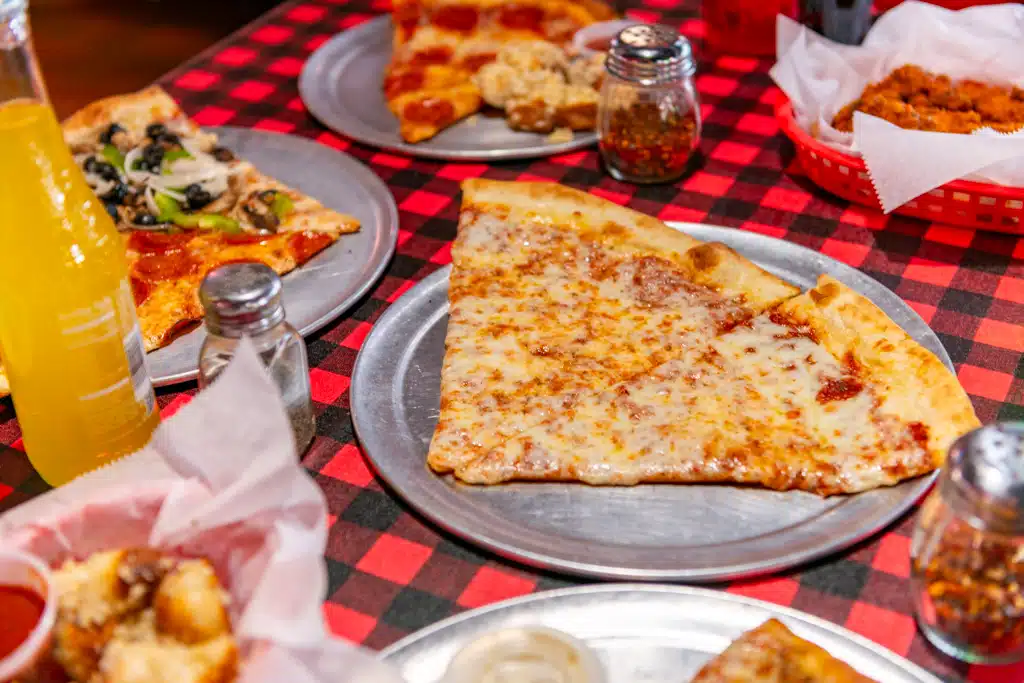


Any good pizza restaurant lives with a quiet tension. Guests come in because they want something familiar, often something they have tied to memory. It might be the margherita they order every Friday, the pepperoni pie they shared with their kids after little league, or the thin, blistered crust that reminds them of a trip to Naples or New York. At the same time, those same guests get curious. They notice seasonal toppings on the board. They ask about hot honey, fermented chili, smoked mozzarella, or a dough made with local grain. They want comfort, but they also want surprise.
That balancing act is harder than it looks from the dining room. A pizza menu is not just a list of flavors. It is the visible surface of a long chain of decisions about dough fermentation, oven management, ingredient costs, prep time, labor skill, customer habits, and brand identity. When a restaurant gets the balance right, the menu feels confident and alive. When it gets it wrong, the place starts to feel confused, or worse, gimmicky.
The strongest operators understand that classics and new ideas are not enemies. They are partners, if the kitchen has discipline.
The classics do more than pay the bills
In many pizza operations, the top sellers are predictable. Cheese, pepperoni, sausage, margherita, mushroom, maybe a house special that has been around for years. Those pies usually make up the core volume on a busy night. They move fast, they are easy for staff to execute consistently, and they give the oven a rhythm. More important, they create trust.
Trust matters more in pizza than owners sometimes admit. Guests may forgive a forgettable appetizer. They rarely forgive a weak crust, unbalanced sauce, or sloppy bake on a pie they know by heart. The classic menu items are the restaurant’s measuring stick. If the marinara is too sweet this week, if the mozzarella is shedding excess water, if the dough is underproofed, regulars notice immediately.
That is why classics deserve technical rigor, not boredom. A plain pie reveals everything. There is nowhere to hide behind a pile of toppings. The dough’s strength, the salt level, the oven spring, the sauce reduction, the cheese melt, and the final finish all show up in a cheese pizza. If a pizza restaurant wants room to experiment, it first needs its baseline products to land every time.
There is also a financial truth here. Classics tend to be easier to forecast. A shop can estimate pepperoni usage with reasonable confidence. It can build prep pars, order cheese by the case, and schedule labor around known demand. Those stable items give management the breathing room to test a roasted corn pie in August or a squash and taleggio special in October.
A lot of menu innovation fails because the core menu is not solid enough to support it. Owners get excited about novelty when the real problem is consistency.
Innovation starts in the dough room, not on social media
The outside world often notices pizza innovation through toppings because toppings are easy to photograph. The reality is that the most meaningful innovation often happens in places customers do not see. A restaurant might change fermentation time from 24 to 48 hours, blend flours for better extensibility, lower yeast percentage for more flavor development, or shift hydration to better suit seasonal humidity. None of that sounds glamorous on Instagram. All of it can change the quality of the pie.
The same goes for sauce and cheese. A kitchen may test a brighter tomato for one style and a longer-cooked sauce for another. It may switch from pre-shredded mozzarella to hand-pulled fior di latte for select pizzas, then learn that the upgrade only works if the bake time and topping load are adjusted. Sometimes a new idea is not a new pizza at all. It is a cleaner finish, a more balanced acid line, or better crust color because someone recalibrated deck temperature and recovery times.
These changes matter because they respect the structure of pizza. New ideas that improve texture, flavor clarity, or consistency tend to endure. New ideas added only for novelty often burn out quickly.
A veteran operator usually asks a simple question before adding anything to the menu: does this make the pizza better, or just different? Different is easy. Better is harder.
What regulars really want from a familiar pie
Regular customers are sometimes misread as conservative eaters who resist change. Most are more flexible than that. What they actually want is continuity. They want confidence that the restaurant still knows what it stands for.
If the house margherita suddenly arrives with a different cheese blend, a puffier rim, and basil oil instead of torn fresh basil, regulars can feel a little disoriented even if the pie is technically good. The issue is not that they hate improvement. The issue is that a dish they rely on has changed without explanation.
Successful pizza restaurants handle this carefully. They protect a handful of anchor items and treat them almost like signature songs. They can refine them, but they do so gradually and intentionally. If a meaningful change is necessary, perhaps because the old tomato supplier is no longer viable or the dough program has genuinely improved, staff should be able to explain it in plain language. Guests respond well when they sense thoughtfulness rather than drift.
There is a practical advantage here too. A stable group of classic pies simplifies training. New cooks learn station flow through repetition. Servers build confidence recommending familiar items. Managers can spot execution problems faster because they know what the benchmarks look like.
A menu without anchors puts pressure on every shift.
Seasonal specials work best when they solve a real problem
Seasonal pizzas can be terrific, but they should do more than decorate the menu. The best specials usually solve one or more operational needs. They may create excitement during a slower period. They may use a short-season ingredient at its peak. They may help test a new flavor profile without permanently increasing complexity. They may also improve margins if they are designed with care.
Take late summer produce as an example. A pie with roasted cherry tomatoes, sweet corn, basil, and a restrained cheese layer can feel fresh and timely. It also lets the kitchen make use of ingredients that are abundant and full-flavored. That special has a reason to exist. It is not trying to be weird for attention.
By contrast, some specials read like brainstorming sessions that escaped the prep table. Six cheeses, three sauces, candied bacon, pickled onions, fig jam, truffle oil, and arugula may attract a first glance, but the pie often eats heavy and confused. It also creates headaches in execution. Too many toppings lead to moisture problems, slower bakes, inconsistent centers, and line congestion. On a busy Friday, that kind of special can drag the whole operation.
Good specials tend to respect limits. They use one clear idea, maybe two. They fit the restaurant’s dough, oven, and service style. They can be assembled cleanly under pressure.
Menu change is really a kitchen systems decision
Customers see one new pie. The kitchen sees a chain reaction.
Add one ingredient and it needs storage space, prep time, dating, labeling, and quality checks. Add three ingredients and you may need another refrigerated insert, an extra set of tongs, more cross-training, and tighter opening procedures. If the new item requires a post-bake finish, the expo station needs room and staff need to hit that final step consistently. If a topping burns at high heat, the oven tender has to alter sequencing. If it releases water, the dough formula or topping load may need adjustment.
This is where many promising ideas get exposed. They taste excellent in testing at 2 p.m. With a calm kitchen and full attention. They break down at 7:15 p.m. When tickets stack up and the oven is full.
The most disciplined pizza restaurants pressure-test new menu items under real service conditions. They ask uncomfortable questions. Can this pie be stretched, topped, baked, turned, cut, and boxed with the same flow as the existing menu? Does it hold for dine-in and takeout? Will it still eat well after a ten-minute drive? Can a new line cook learn it quickly? Does the food cost still work if one of the specialty ingredients spikes in price?
That kind of scrutiny is not anti-creative. It is the reason creativity survives.
The role of customer feedback, and its limits
Guest feedback matters, but it needs interpretation. If ten tables ask for pineapple, that tells you something. If one vocal regular insists that the crust was better three years ago, that may or may not reflect a broader truth. Restaurants that chase every comment usually lose their point of view.
The better approach is to look for patterns across multiple signals. Sales mix, server notes, online ordering behavior, and direct guest comments all matter. So does staff intuition. A seasoned floor manager often knows before the numbers show it whether a new pizza is merely being tried once or whether it is actually building repeat demand.
There is also a difference between what customers say they want and what they repeatedly order. Plenty of diners praise adventurous specials and still go back to pepperoni. That does not make the special a failure. It simply means the restaurant should understand the role it plays. Some items are there to drive buzz. Some are there to round out the menu. Some are there to become future classics.
A pizza restaurant should never be embarrassed that its biggest seller is simple. Simplicity is often the final form of confidence.
Tradition is not frozen in time
People talk about classic pizza as if it were untouched by history. It never has been. Pizza traditions have always evolved through migration, ingredient availability, local taste, and equipment constraints. New York slices, New Haven apizza, Detroit pan pizza, Roman al taglio, Neapolitan pies, and countless neighborhood hybrids all emerged from adaptation as much as preservation.
That perspective helps restaurants avoid a false choice between purity and creativity. Respecting tradition does not mean preserving every detail exactly as it existed in one place and one decade. It means understanding why a style works. It means knowing which elements are structural and which are flexible.
For a Neapolitan-leaning restaurant, soft chew, light char, restrained topping load, and balance may be structural. A seasonal garnish or a local cheese may be flexible. For a tavern-style shop, crackery thinness, edge-to-edge coverage, square cut, and a certain bake profile may be the core identity. The experiments need to fit that frame.
The restaurants that age well are usually those that can articulate this difference. They know what can bend and what cannot.
Staff buy-in shapes the menu more than owners realize
When a new pizza works on paper but never takes hold, the problem is often cultural before it is culinary. Staff have to believe in a menu item if they are going to make it well and sell it honestly.
If cooks think a special is fussy and unnecessary, it will show in execution. If servers cannot describe the flavor in a sentence that makes sense, the item will stall. If bartenders know it pairs beautifully with a seasonal lager or a dry lambrusco, sales often improve. The menu is a team sport, and pizza restaurants run on repetition. Anything awkward gets exposed quickly.
Some of the best rollouts I have seen were not dramatic. The chef or owner gathered the team before service, baked sample pies, explained the why behind the new item, and listened to practical objections. Does the finishing honey make the crust soggy in takeout? Does the ricotta need a different scoop? Is the basil bruising too fast on a hot station? Those details are not glamorous, but they determine whether an idea becomes a real menu item or just a brief experiment.
A smart restaurant also learns from what staff naturally recommend. Teams tend to push items that feel coherent and craveable. That informal enthusiasm is one of the most reliable tests available.
Price can quietly decide whether innovation survives
One reason some creative pizzas disappear is that the math never worked. Specialty cheeses, cured meats, and imported ingredients can raise food cost quickly. If the final menu price crosses a psychological line for guests, sales drop. If the restaurant underprices the pie to keep it moving, margins get pinched.
This is especially tricky in a pizza restaurant because guests often have strong expectations about value. They may be willing to pay more for obvious quality, but they still compare prices against familiar standards. A house pie at $18 feels one way, the same pie at $26 feels another, even if ingredient quality justifies it.
That does not mean innovation has to be cheap. It means pricing should match the experience and the market. A smaller, focused special with premium ingredients may work better than an overloaded large pie that tries to justify its price through quantity. Sometimes offering a specialty pizza only in one size preserves both quality and margin. Sometimes a white pie with fewer toppings but excellent cheese and a great bake reads as more luxurious than a crowded meat combination.
The most durable menu innovation usually respects the customer’s sense of value as much as it respects the chef’s ambition.
The menus that last tend to follow a few unwritten rules
Across different styles and markets, the pizza restaurants that balance old and new successfully often operate by a set of practical principles:
- They protect a small group of classics and execute them relentlessly well.
- They test new ideas in ways that fit the oven, station setup, and pace of service.
- They use seasonal and specialty ingredients with restraint, not as decoration.
- They explain changes clearly, especially to regulars and front-of-house staff.
- They keep score with repeat orders, not just first-week excitement.
None of those rules sound revolutionary. That is the point. Restaurants rarely build lasting menus through dramatic reinvention. They do it through patient judgment.
A good example of balance on a real menu
Imagine https://ricardozejx465.moderncairn.com/posts/why-a-pizza-restaurant-is-a-reliable-dinner-option a mid-sized neighborhood pizza restaurant with a wood-fired oven and a loyal local crowd. Its core menu includes a margherita, pepperoni, mushroom, sausage and onion, and a white pie with garlic and ricotta. Those five pizzas cover most orders on busy nights. They are dependable, profitable, and deeply familiar to the staff.
The restaurant wants to stay interesting without alienating its regulars. Instead of overhauling the menu every quarter, it introduces one rotating seasonal pie and one occasional market test as a weekend special. In spring, the seasonal pie might feature asparagus, lemon zest, mozzarella, and pecorino. In fall, it might shift to roasted delicata squash, sage, and a mild chili finish. The market test could be something slightly riskier, perhaps a pie with clams and preserved lemon in a coastal town, or a mortadella and pistachio pizza in a neighborhood that responds well to Italian deli flavors.
The key is that the structure stays recognizable. The restaurant is not replacing its margherita with a new version every month. It is building around stable foundations. Guests who want their usual pie can have it. Guests who want something fresh can try it. Over time, one seasonal special might prove itself and graduate to permanent status. Most will not, and that is perfectly fine.
That process keeps the menu alive without making it unstable.
Takeout and delivery change the innovation equation
A pie that shines in the dining room may struggle in a box. This is one of the most overlooked realities in menu development. Steam softens crust. Delicate greens wilt. Burrata loses its appeal if it sits too long. A pizza that depends on contrast between crisp and cool can arrive feeling flat.
For restaurants with a strong takeout business, classic pies often outperform more elaborate compositions for this reason. Pepperoni, plain cheese, sausage, and firmer vegetable toppings travel better. That does not mean creative pizzas are impossible, only that they need to be engineered for the format. A post-bake garnish might be packed on the side. Moisture-heavy toppings may need pre-roasting or reduction. A thicker dough style may hold structure better in transit than a very soft center.
Operators who ignore this end up with a menu that photographs beautifully and disappoints at home. Guests do not always distinguish between a bad idea and a bad travel format. They just remember the pizza was not as good as they hoped.
The sweet spot is confidence, not novelty
At its best, a pizza restaurant does not feel trapped between the old and the new. It feels fluent in both. You can see it in the way the kitchen handles a margherita with the same care it gives a seasonal special. You can taste it in a menu that knows when to stop adding ingredients. You can feel it in a dining room where regulars still get what they came for, while first-time guests discover something that feels current and distinctive.
The restaurants that earn long loyalty usually understand one simple fact: innovation is strongest when it grows out of identity, not insecurity. A place that knows its dough, respects its classics, trains its staff well, and experiments with purpose can evolve for years without losing itself.
That is the real balancing act. Not choosing between tradition and change, but making each one sharpen the other.
RUFFRANO'S HELL'S KITCHEN PIZZA Security
385 Main St, Colorado Springs, CO 80911
(719) 390-4355
FAQ About pizza restaurant
Is there a Hell's Kitchen pizza restaurant in Security-Widefield?
Yes. Ruffrano's Hell's Kitchen Pizza has a Security-Widefield location at 385 Main St.
Where can I find pizza delivery in Security-Widefield?
Ruffrano's Security location offers online ordering. Enter your address at checkout to check delivery availability and fees.
Where can I find gluten-free pizza in Security-Widefield?
Ruffrano's menu lists a 12-inch gluten-free option. Call the Security location to confirm availability and ask about shared equipment if cross-contact is a concern.